
 Sữa cho bé
 Sữa Bột
 Sữa pha sẵn
 Sữa thanh
 Sữa non
 Sữa tươi
 Sữa bầu
 Sữa tăng cân
 Sữa tiểu đường
 Sữa loãng xương
 Bé ăn dặm
 Bột ăn dặm
 Đồ dùng ăn dặm
 Hộp trữ đông thức ăn
 Muỗng nĩa
 Bé mặc – Bé ngủ
 Quần áo
 Chăn – Gối
 Gối chóng bẹt
 Khăn lót – Khăn ủ
 Khăn sữa
 Bao tay bao chân
 Yếm – Mũ nón
 Núm ty – Bình sữa
 Bình sữa
 Bình uống nước
 Cốc tập uống
 Núm ty
 Ty ngậm
 Gặm nướu
 Vệ Sinh Cho Bé
 Bỉm tả
 Bàn chải – Kem đánh răng
 Dung dịch vệ sinh
 Gạc rơ lưỡi
 Khăn ướt – Khăn khô
 Nước giặt
 Nước rửa bình sữa
 Nước muối sinh lý
 Nước hoa
 Sữa tắm gội
 Tăm bông
 Chăm sóc cho bé
 Dầu khuynh diệp
 Dầu tràm
 Gel Dầu Massage
 Kem dưỡng ẩm
 Kem chống muỗi
 Kem chống nắng
 Kem đa năng
 Kem hăm
 Kem nẻ
 Xịt mũi
 Máy móc thiết bị
 Máy đun nước
 Máy hâm sữa
 Máy lắc bình sữa
 Máy sấy khô – tiệt trùng
 Túi ủ bình sữa
 Túi trữ sữa
 Hộp trữ sữa
 Đồ cho mẹ
 Kem nứt đầu ty
 Trà lợi sữa
 Sữa rửa mặt
 Khuyến mãi


Exploring cultural attitudes toward gambling in modern society
Exploring cultural attitudes toward gambling in modern society
The Evolution of Gambling in Society
Gambling has been an integral part of human culture for centuries, evolving from ancient rituals to a modern multi-billion dollar industry. As societies developed, so did the structures and forms of gambling, ranging from informal betting among peers to regulated casino environments. This evolution reflects broader changes in societal norms, technology, and legal frameworks, illustrating how gambling has adapted to fit contemporary lifestyles. Platforms like https://wazambaonline.com show how this industry continues to grow and adapt.
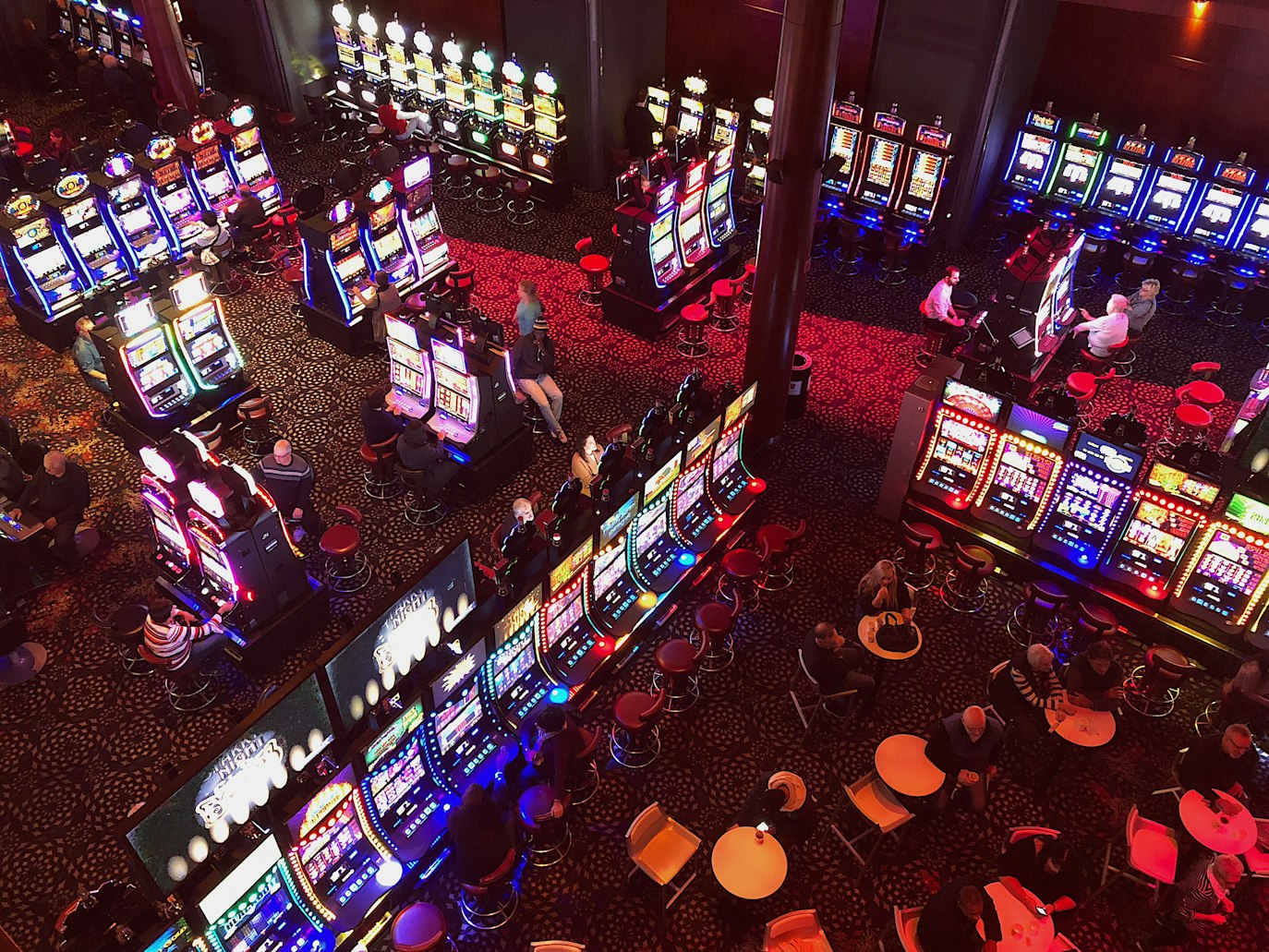
In modern times, gambling has transcended traditional venues, entering digital spaces where online casinos and sports betting platforms proliferate. The convenience and accessibility of online gambling have attracted a diverse demographic, prompting discussions about its implications on public health, morality, and economy. Societies grapple with how to balance the enjoyment of gambling with the potential for addiction and social harm.
Cultural Perspectives on Gambling
Cultural attitudes toward gambling significantly influence how it is perceived and regulated within different societies. In some cultures, gambling is viewed as a recreational activity, a form of entertainment that can bring excitement and community. For instance, countries with strong traditions in gaming often celebrate this pastime, integrating it into social gatherings and festivals.
Conversely, other cultures regard gambling with skepticism or outright disapproval, often associating it with moral decay and negative social consequences. These contrasting perspectives affect legislation, with some countries imposing strict regulations or outright bans, while others embrace a more liberal approach, fostering thriving gaming industries. Understanding these cultural nuances is essential for comprehending global gambling trends.
The Impact of Technology on Gambling Attitudes
The advent of technology has dramatically transformed cultural attitudes toward gambling. With the rise of mobile apps and online platforms, gambling has become more accessible than ever, leading to an increase in participation across various demographics. This shift has prompted a re-evaluation of how societies view gambling, as it seamlessly integrates into daily life.
Moreover, technology has also facilitated the emergence of responsible gambling initiatives. Many platforms now incorporate tools to help players monitor their spending and limit their gameplay. These advancements represent a cultural shift towards a more balanced perspective on gambling, recognizing both its entertainment value and the importance of safeguarding against potential pitfalls.
The Role of Regulation and Legislation
Regulation plays a crucial role in shaping cultural attitudes toward gambling. In jurisdictions where gambling is legalized and regulated, there tends to be a more accepting view of the activity. Laws often focus on protecting consumers, ensuring fairness, and preventing underage gambling, which can foster a healthier gambling culture.
On the other hand, in regions where gambling is heavily restricted or illegal, there exists a pervasive stigma surrounding it. This can lead to underground gambling operations that operate outside the law, often resulting in exploitation and increased risks for participants. Balancing regulation with cultural attitudes is essential for creating environments that support both enjoyment and responsibility.
Wazamba Casino and Modern Gambling Culture
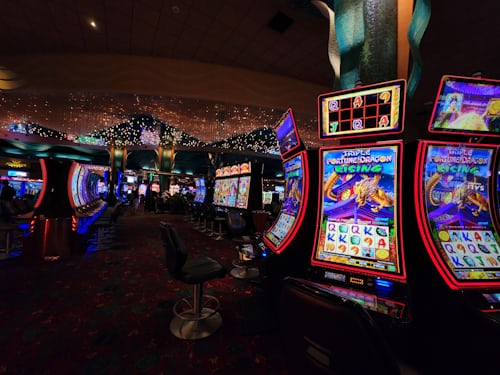
Wazamba Casino exemplifies how modern gambling platforms can cater to a diverse audience while promoting responsible gaming. With its extensive game selection and user-friendly interface, it provides a comprehensive gaming experience that appeals to both casual players and seasoned gamblers. The platform’s commitment to user satisfaction is evident through its fast withdrawals and a variety of payment options.
Furthermore, Wazamba Casino emphasizes security and responsible gaming, reflecting a growing cultural attitude that prioritizes player welfare. Initiatives such as gamified rewards and a VIP program enhance user engagement while fostering a responsible approach to gambling. As the industry continues to evolve, Wazamba stands as a testament to how modern casinos can align entertainment with social responsibility.


