
 Sữa cho bé
 Sữa Bột
 Sữa pha sẵn
 Sữa thanh
 Sữa non
 Sữa tươi
 Sữa bầu
 Sữa tăng cân
 Sữa tiểu đường
 Sữa loãng xương
 Bé ăn dặm
 Bột ăn dặm
 Đồ dùng ăn dặm
 Hộp trữ đông thức ăn
 Muỗng nĩa
 Bé mặc – Bé ngủ
 Quần áo
 Chăn – Gối
 Gối chóng bẹt
 Khăn lót – Khăn ủ
 Khăn sữa
 Bao tay bao chân
 Yếm – Mũ nón
 Núm ty – Bình sữa
 Bình sữa
 Bình uống nước
 Cốc tập uống
 Núm ty
 Ty ngậm
 Gặm nướu
 Vệ Sinh Cho Bé
 Bỉm tả
 Bàn chải – Kem đánh răng
 Dung dịch vệ sinh
 Gạc rơ lưỡi
 Khăn ướt – Khăn khô
 Nước giặt
 Nước rửa bình sữa
 Nước muối sinh lý
 Nước hoa
 Sữa tắm gội
 Tăm bông
 Chăm sóc cho bé
 Dầu khuynh diệp
 Dầu tràm
 Gel Dầu Massage
 Kem dưỡng ẩm
 Kem chống muỗi
 Kem chống nắng
 Kem đa năng
 Kem hăm
 Kem nẻ
 Xịt mũi
 Máy móc thiết bị
 Máy đun nước
 Máy hâm sữa
 Máy lắc bình sữa
 Máy sấy khô – tiệt trùng
 Túi ủ bình sữa
 Túi trữ sữa
 Hộp trữ sữa
 Đồ cho mẹ
 Kem nứt đầu ty
 Trà lợi sữa
 Sữa rửa mặt
 Khuyến mãi


Cultural reflections Understanding the role of casinos in society
Cultural reflections Understanding the role of casinos in society
The Social Dynamics of Casinos
Casinos have evolved into significant cultural institutions that reflect and influence societal values. Beyond mere gambling, they serve as community gathering places, entertainment hubs, and symbols of risk and reward. The atmosphere within these establishments often mirrors the social dynamics of the surrounding area, providing insight into the collective psyche of a community. The thrill of gaming and the allure of chance draw people from diverse backgrounds, making casinos melting pots of culture and human interaction. With so many options available, you might even consider researching the best offshore casinos that fit your preferences.
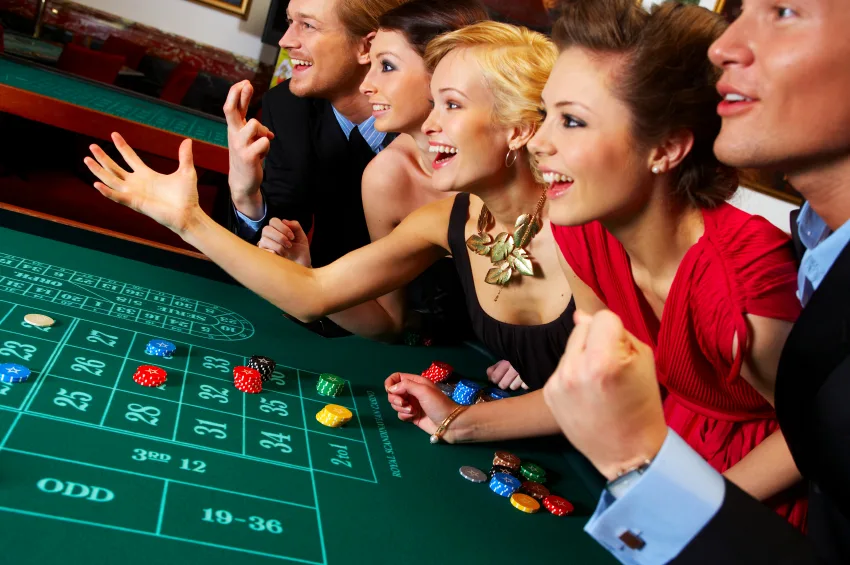
Moreover, casinos can foster a sense of belonging and camaraderie among patrons. People often form social bonds over shared experiences at gaming tables or during live events. This social aspect can enhance the local economy as visitors engage with restaurants, hotels, and other services, further embedding the casino into the community fabric. In this way, casinos do not only reflect society; they actively shape it by promoting socialization and cultural exchange.
The Impact of Luck and Skill
The debate over luck versus skill in gambling is a compelling aspect of casino culture. Many games, such as poker and blackjack, require a degree of skill, strategy, and psychological insight, while others, like slot machines, rely heavily on chance. This duality serves as a microcosm for life itself, where individuals navigate situations with varying degrees of control over outcomes. The thrill of playing in a game of skill can create a sense of empowerment, while pure chance can lead to existential reflections on fate and fortune.
This intersection of luck and skill cultivates a unique environment where players often form their identities around their gaming experiences. For some, mastering the intricacies of a game provides a sense of achievement, while others embrace the unpredictability of luck, celebrating wins and grappling with losses. This ongoing dance between skill and chance adds layers of meaning to the casino experience, encouraging patrons to reflect on their personal strategies and life choices.
Economic Contributions and Critiques
Casinos are often hailed as engines of economic growth, creating jobs and generating revenue for local and state governments. Many communities have seen significant financial benefits from casino operations, which fund public services, infrastructure projects, and community initiatives. This economic infusion can stimulate growth in surrounding businesses, fostering a climate of prosperity.
However, the presence of casinos is not without controversy. Critics point to issues such as gambling addiction, crime, and the potential for economic disparity. The allure of easy money can lead some individuals down a detrimental path, raising questions about the social responsibilities of casino operators. Balancing the economic benefits against the potential societal costs remains a complex challenge that communities must navigate.
Cultural Representations in Media
Casinos have long been a rich source of inspiration for various forms of media, including films, literature, and television. They often embody themes of fortune, risk, and the human condition, captivating audiences with tales of triumph and tragedy. Iconic movies featuring casinos portray the glamour and danger associated with gambling, influencing public perceptions and cultural narratives surrounding these establishments.
Through these cultural representations, casinos become more than just venues for gaming; they transform into symbols of aspiration, temptation, and moral ambiguity. The narrative surrounding casinos shapes societal attitudes toward gambling and risk-taking, which can have lasting effects on community values. As media continues to evolve, the portrayal of casinos will likely adapt, reflecting changing societal norms and expectations.

Understanding Judicial Selection and Community Impact
In exploring the complexities of casinos within society, it is essential to consider the role of governance and the judicial system. Decisions regarding casino regulation and operations are influenced by various judicial selections, impacting how these establishments function within communities. Understanding the nuances of judicial selection processes can empower citizens to engage actively in discussions around casino policies and their implications.
By fostering civic engagement and knowledge about judicial appointments, communities can better navigate the challenges and opportunities presented by casinos. The interplay between governance, community values, and economic interests can shape the future of casinos, ensuring they contribute positively to society while addressing potential drawbacks. Awareness and engagement in these discussions are vital for creating a balanced perspective on the role of casinos in our culture.


