
 Sữa cho bé
 Sữa Bột
 Sữa pha sẵn
 Sữa thanh
 Sữa non
 Sữa tươi
 Sữa bầu
 Sữa tăng cân
 Sữa tiểu đường
 Sữa loãng xương
 Bé ăn dặm
 Bột ăn dặm
 Đồ dùng ăn dặm
 Hộp trữ đông thức ăn
 Muỗng nĩa
 Bé mặc – Bé ngủ
 Quần áo
 Chăn – Gối
 Gối chóng bẹt
 Khăn lót – Khăn ủ
 Khăn sữa
 Bao tay bao chân
 Yếm – Mũ nón
 Núm ty – Bình sữa
 Bình sữa
 Bình uống nước
 Cốc tập uống
 Núm ty
 Ty ngậm
 Gặm nướu
 Vệ Sinh Cho Bé
 Bỉm tả
 Bàn chải – Kem đánh răng
 Dung dịch vệ sinh
 Gạc rơ lưỡi
 Khăn ướt – Khăn khô
 Nước giặt
 Nước rửa bình sữa
 Nước muối sinh lý
 Nước hoa
 Sữa tắm gội
 Tăm bông
 Chăm sóc cho bé
 Dầu khuynh diệp
 Dầu tràm
 Gel Dầu Massage
 Kem dưỡng ẩm
 Kem chống muỗi
 Kem chống nắng
 Kem đa năng
 Kem hăm
 Kem nẻ
 Xịt mũi
 Máy móc thiết bị
 Máy đun nước
 Máy hâm sữa
 Máy lắc bình sữa
 Máy sấy khô – tiệt trùng
 Túi ủ bình sữa
 Túi trữ sữa
 Hộp trữ sữa
 Đồ cho mẹ
 Kem nứt đầu ty
 Trà lợi sữa
 Sữa rửa mặt
 Khuyến mãi


The psychology behind why we gamble Understanding the human mind in casinos
The psychology behind why we gamble Understanding the human mind in casinos
The allure of risk and reward
One of the primary psychological drivers behind gambling is the thrill of risk and reward. The potential for a significant payout creates a powerful incentive for individuals to engage in gambling behaviors. This excitement triggers the release of dopamine in the brain, a neurotransmitter associated with pleasure and reinforcement. The anticipation of winning leads gamblers to overlook potential losses, as the allure of what could be fosters a cycle of hopeful thinking. Many people become attracted to online casino gaming, drawn by these enticing possibilities.
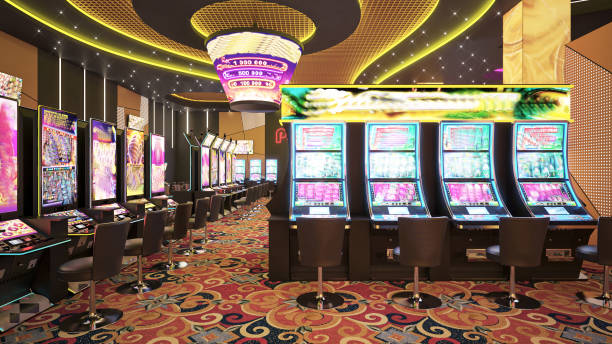
This cycle is further compounded by the phenomenon known as the “gamblers’ fallacy,” where individuals believe that past outcomes will influence future results. For instance, a player may think that after a series of losses, a win is due, leading to continued play despite negative results. This belief can create a persistent urge to gamble, even when logical reasoning suggests otherwise.
The social aspects of gambling
Gambling often serves as a social activity, where individuals gather to enjoy games together. This communal environment enhances the experience, as players share excitement, celebrate wins, and commiserate over losses. The social interaction involved in gambling can amplify the emotional highs and lows, making it more engaging than solitary activities. Casinos deliberately design their spaces to encourage socialization, with open layouts and communal games like poker, fostering a sense of belonging.
Moreover, the social aspect can lead to peer pressure, where individuals feel compelled to gamble to fit in or maintain social connections. Friends or family members who gamble can influence one’s decisions, making it easier to justify risky behavior. This social validation often reinforces gambling habits, particularly among those who may already be predisposed to risk-taking behaviors.
The role of cognitive biases
Cognitive biases play a significant role in how individuals perceive gambling outcomes. Confirmation bias, for instance, leads players to focus on wins while ignoring losses, reinforcing the belief that they can beat the odds. This selective memory creates an illusion of control, where gamblers feel they have influence over outcomes, despite the inherent randomness of games. As a result, they are more likely to continue gambling, believing that a win is just around the corner.
Additionally, the illusion of control can manifest in strategies that players create to guide their betting decisions. Many believe that certain rituals or methods can increase their chances of winning, despite the fact that these actions have no real impact on game outcomes. This psychological phenomenon keeps players engaged, as they seek to validate their strategies and, by extension, their ability to gamble successfully.
The impact of near misses
Near misses significantly influence gambling behavior, as they create a strong emotional response that often leads to continued play. When players come close to winning, it can trigger feelings of excitement and anticipation, suggesting that a win is achievable. This emotional rollercoaster can reinforce the desire to keep playing, as the brain interprets near misses as a signal that a win is imminent.
This effect is particularly evident in games like slot machines, where players frequently experience near misses. The design of these machines, combined with the emotional response they elicit, can lead to persistent gambling behaviors. Players may believe that they are on the verge of hitting a jackpot, prompting them to invest more time and money in the hopes of finally achieving that elusive win.

Understanding gambling through community insights
Exploring the psychology behind gambling can lead to a deeper understanding of this complex behavior. Platforms like Adventure Gamers provide valuable insights and discussions that help individuals navigate the gaming landscape, including the psychological aspects of gambling. By fostering community conversations, players can share experiences and strategies, shedding light on the motivations and thought processes behind their gambling behaviors.
Ultimately, understanding the human mind in casinos not only enhances the gaming experience but also aids in recognizing potential risks associated with gambling. Engaging with like-minded individuals can help promote a balanced approach to gaming, ensuring that entertainment remains enjoyable and responsible.


